Hair Care guide
Hair Care Routine for Indian Hair: A Simple Wash-Day Guide
How to care for Indian hair in humid weather: a simple shampoo, conditioner and serum routine, plus how to adjust it for oily scalps, frizz and dry ends.
A good hair care routine for Indian hair has four steps: cleanse your scalp, condition your lengths, protect and finish, and look after your scalp between washes. How often you do each step depends on your hair type, how oily your scalp gets, and the weather where you live.
Why does Indian hair need a routine that fits the weather?
There is no single "Indian hair type" — hair across India ranges from fine and straight to thick, wavy and tightly curled. What most of us share is the climate. Humidity for much of the year makes hair frizz and fall flat by afternoon. Dry winters, long hours in air-conditioning, and regular heat styling leave the lengths dry and rough.
So the goal of a routine is simple: keep the scalp clean and comfortable, keep the lengths moisturised and smooth, and protect hair from heat and humidity.
Step 1: How should you cleanse your hair?
Shampoo is for your scalp, not your lengths. Wet your hair thoroughly, massage a small amount of shampoo into the scalp with your fingertips, and let the lather rinse through the lengths on its way out. That is enough to clean them.
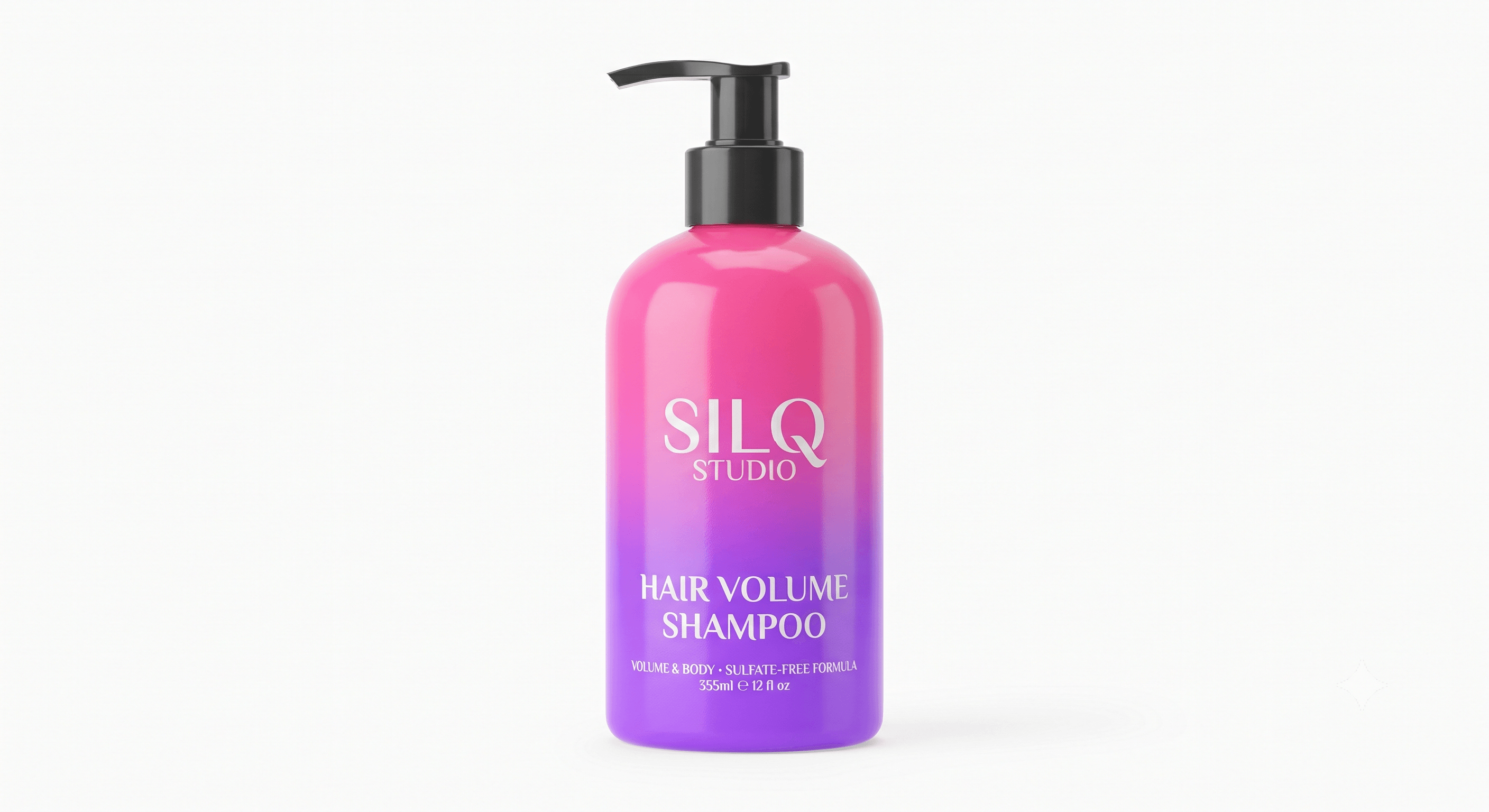
If your hair is fine or falls flat, a volume shampoo such as Hair Volume Shampoo cleanses without weighing hair down. Rinse well — leftover product at the roots makes fine hair look limp sooner.
Step 2: Where should you apply conditioner?
Conditioner belongs on the mid-lengths and ends, which are the oldest and driest part of each strand. Squeeze out excess water first, work the conditioner through, leave it for two to three minutes, and rinse.
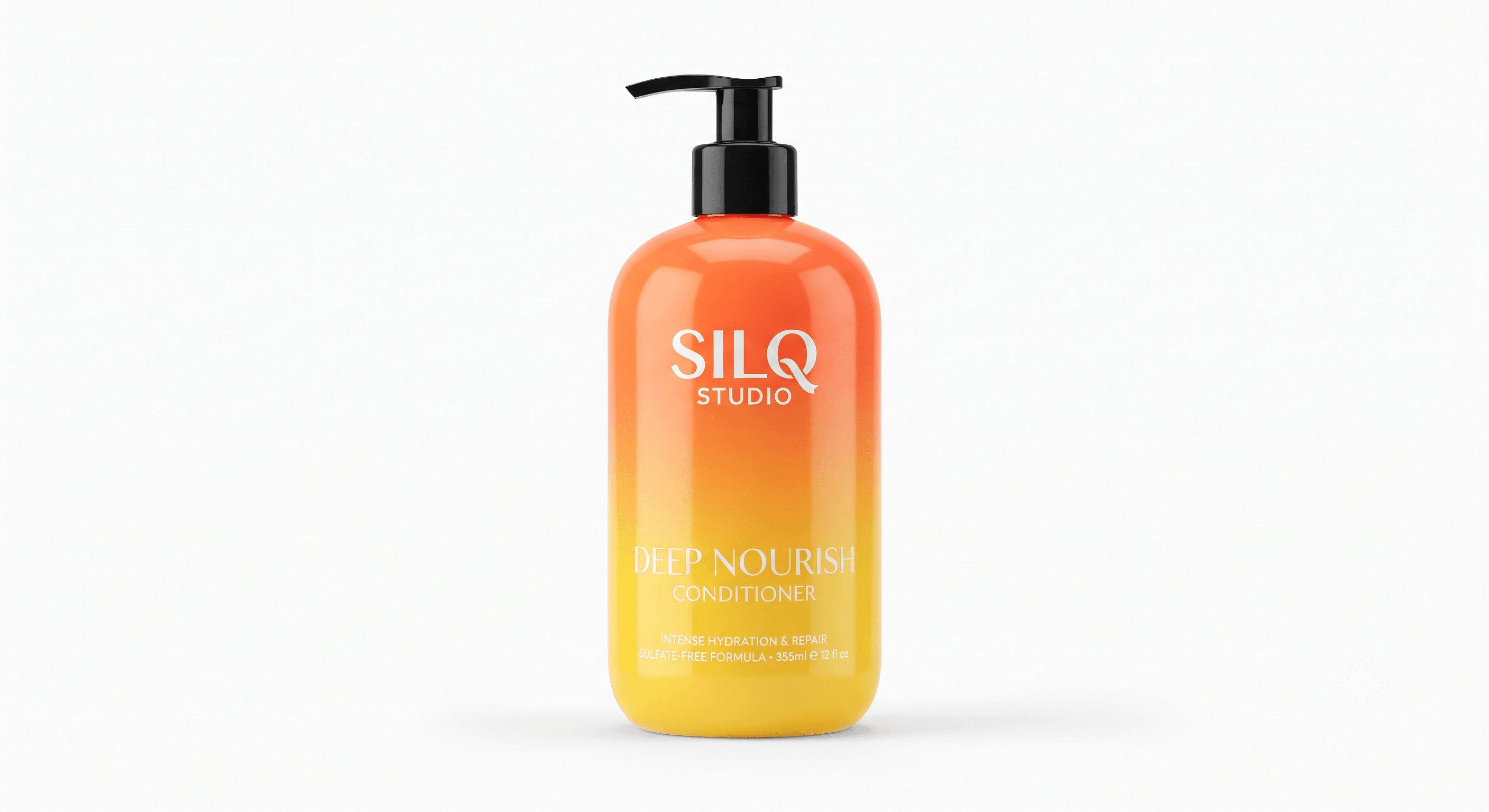
Keep it away from the roots if your scalp gets oily. If your hair is dry, damaged or colour-treated, a richer conditioner like Deep Nourish Conditioner helps smooth and soften the lengths.
Step 3: How do you protect hair from heat and frizz?
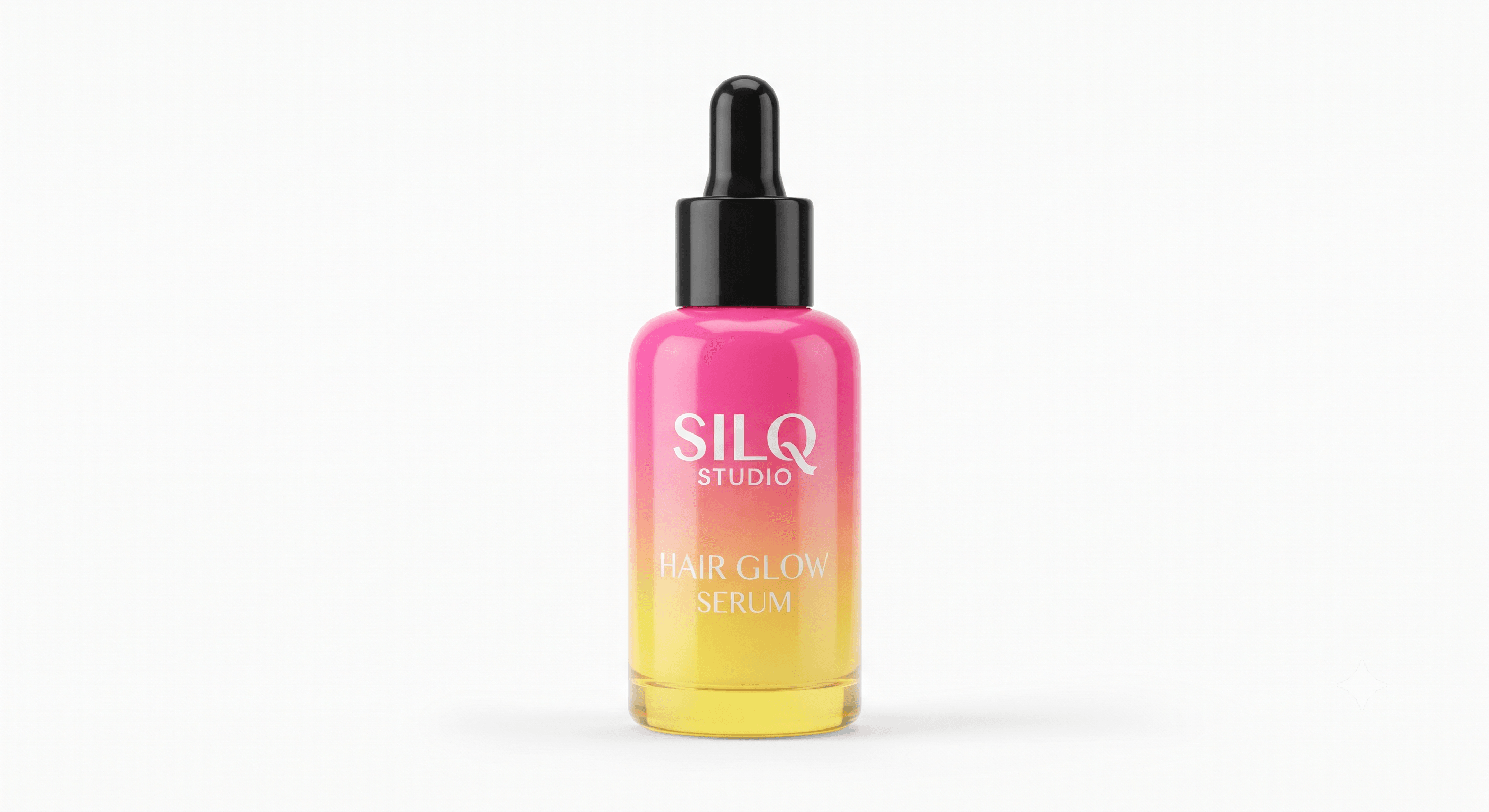
If you blow-dry, straighten or curl, apply a heat-protecting product to damp hair first. A serum does double duty: a few drops of Hair Glow Serum on damp hair before styling, then one more drop on dry hair to smooth flyaways on humid days.
Use less than you think — two or three drops for shoulder-length hair — and keep it on the lengths, not the roots.
Step 4: How do you look after your scalp between washes?
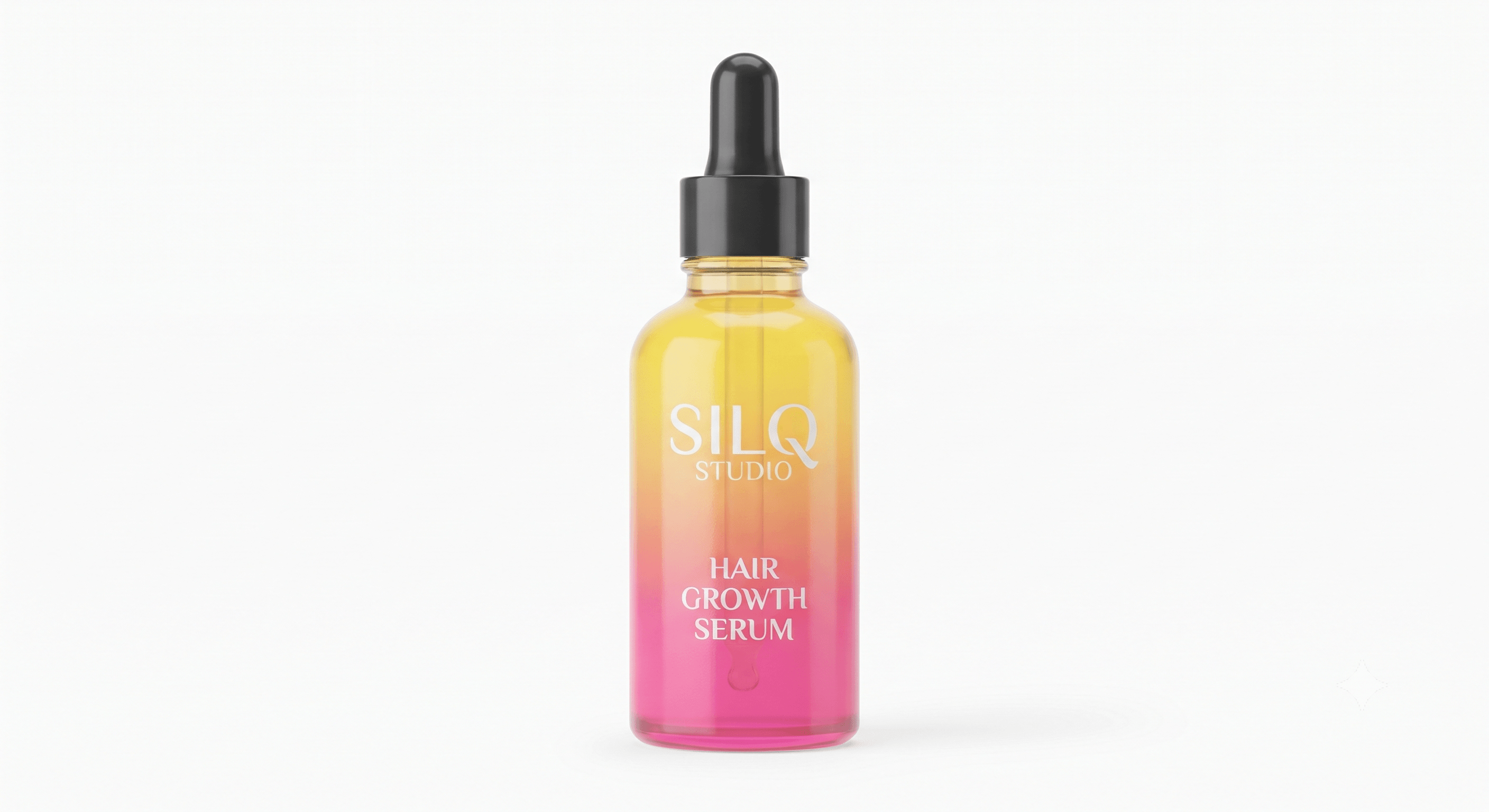
A healthy-feeling scalp is the base of the routine. Massage gently when you wash rather than scratching with your nails, rinse out all product, and avoid very hot water. If you use a scalp serum such as Hair Growth Serum, part your hair, apply a few drops directly to the scalp and massage it in — it stays in, so don't rinse.
How often should you wash Indian hair?
| Hair and scalp | How often | Tip |
|---|---|---|
| Fine or flat hair, oily scalp | Every 1–2 days | Use a lightweight shampoo; condition ends only. |
| Medium hair, balanced scalp | Every 2–3 days | Wash more often in humid months or after workouts. |
| Thick, curly or dry hair | Every 3–4 days | Prioritise conditioner and a smoothing serum. |
These are starting points. If your scalp feels itchy or greasy before wash day, wash a little more often; if your lengths feel dry and straw-like, wash a little less and condition more.
What about hair oiling?
Many Indian households oil hair before washing, and it can help dry lengths feel softer. If you oil, treat it as a pre-wash step: apply to the lengths, leave it for a while, then shampoo it out thoroughly. Oil left on the scalp for long periods in hot, humid weather can make fine hair look flat and leave the scalp feeling heavy.
What are good products for frizzy hair in humid weather?
Frizz is the most common hair concern across India, especially during monsoon and humid summers. When the air is humid, parched cuticles open up and absorb ambient moisture, causing strands to swell and flyaways to form.
Choosing good products for frizzy hair means using formulas that lock in moisture and seal the outer cuticle:
- Cleanse without stripping: A balanced cleanser like Hair Volume Shampoo clears scalp buildup while preserving essential length moisture.
- Condition every wash: Work Deep Nourish Conditioner through mid-lengths and ends to soften strands and keep them detangled.
- Seal with an anti-frizz serum: While hair is damp, smooth 2–3 drops of Hair Glow Serum over lengths. It forms a lightweight shield that tames frizz in high humidity without weighing fine hair down.
How do you adjust the routine for your hair?
- Oily scalp: wash more often, keep conditioner off the roots, and skip heavy oils at the scalp.
- Frizzy hair: don't skip conditioner, finish with a serum, and avoid rough towel-drying — blot instead.
- Colour-treated hair: use lukewarm water, condition every wash, and always protect before heat.
- Fine, flat hair: cleanse the roots well, use light products, and apply serum only to the ends.
When should you see a dermatologist?
A routine can keep hair and scalp comfortable, but it can't treat medical conditions. See a dermatologist if you notice sudden or heavy hair fall, bald patches, or a flaky, itchy or painful scalp that doesn't settle within a few weeks.
Explore the full SILQ Studio hair care range to build your routine.