Body Wax guide
Facial Hair Removal for Women: Wax, Masks and Home Remedies
Peel-off wax, creams, masks and home remedies compared: practical facial hair removal options and safety guidance for Indian skin.
Facial hair removal is not one-size-fits-all. Threading offers precision, shaving is quick, facial depilatory creams work at the skin surface, and facial wax removes hair from the root. The safest choice depends on the area, hair thickness, skin sensitivity and products already used in your routine. Always choose a method and product specifically labelled for facial use.
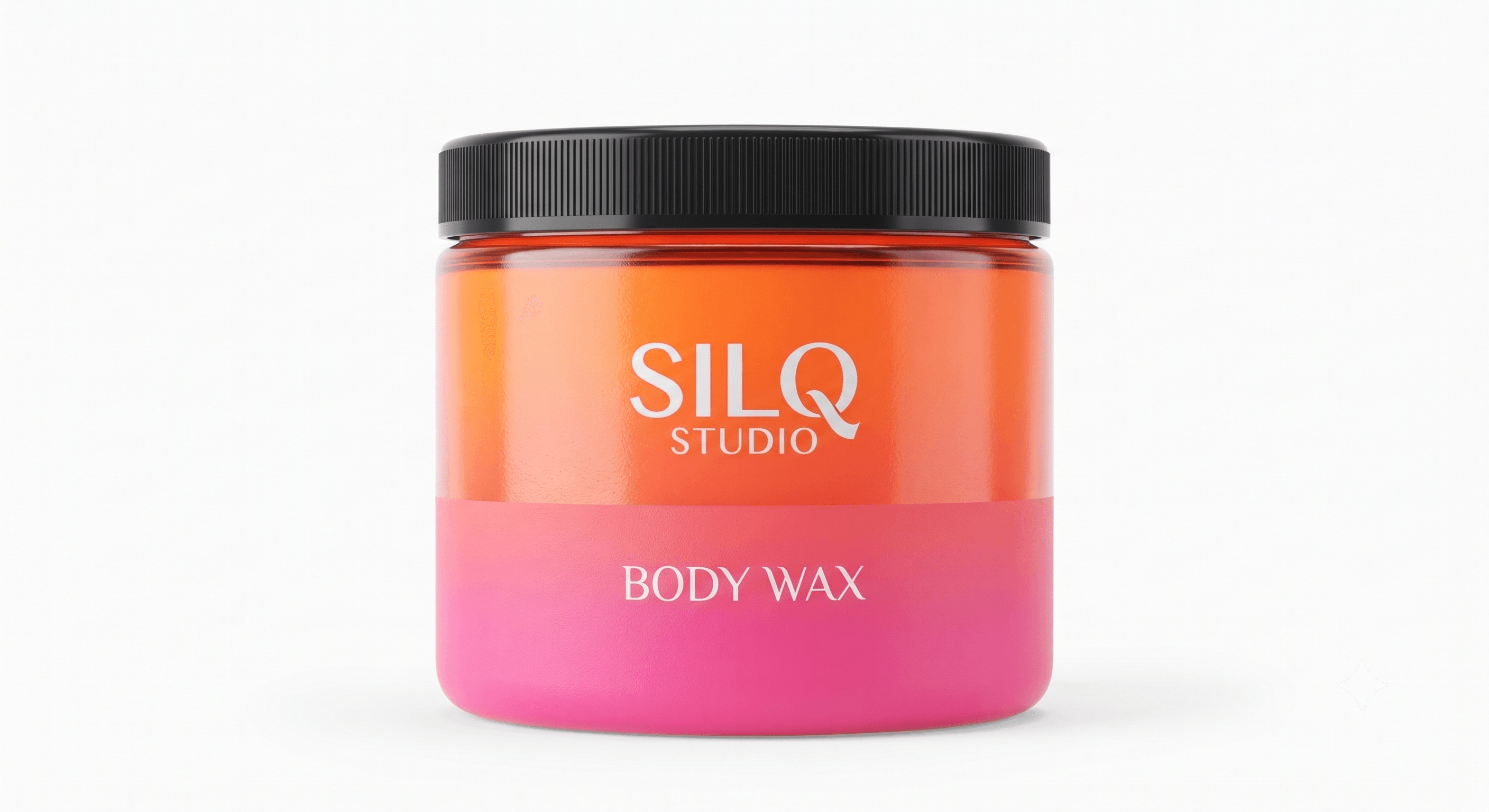
Important: SILQ Studio Body Wax is currently presented for body use. Do not apply it to the face unless the final approved pack directions explicitly permit facial use.
What facial hair is normal for women?
Fine, soft vellus hair is common across the cheeks and face. Darker terminal hair can also appear around the upper lip, chin and jaw. Hair colour, thickness and growth patterns vary naturally with genetics, age and hormonal changes.
New facial hair does not automatically mean something is wrong. However, the NHS guidance on hirsutism recommends seeking medical advice when thick, dark facial or body hair develops suddenly or appears alongside symptoms such as irregular periods. Hair removal changes the visible hair; it does not diagnose or treat an underlying cause.
Which facial hair-removal method should you choose?
Threading
Threading removes individual hairs from the root using twisted cotton thread. It works well when precision matters, such as around the eyebrows, upper lip or small sections of the chin. Results commonly last longer than shaving because the hair is removed rather than cut at the surface.
Threading can suit sensitive or acne-prone skin because it does not require wax or depilatory chemicals, but technique matters. Choose a trained practitioner, especially for eyebrow shaping. The American Academy of Dermatology comparison of hair-removal methods notes that threading is precise but is not intended for large areas.
Facial shaving or dermaplaning
Shaving cuts hair at skin level. It is quick, usually painless when performed carefully and does not make hair grow back thicker. Regrowth may feel blunt because the razor cuts across the hair shaft, but shaving does not change the follicle or biological growth rate.
Use a clean, sharp facial razor with light pressure. Soften the skin and hair first, use a suitable shaving medium, and move in the direction of hair growth to reduce irritation. Do not shave directly over inflamed acne, cuts or active skin irritation.
Facial depilatory creams
A depilatory cream dissolves hair close to the surface, so its results are usually shorter-lived than threading or waxing. Only use a formula labelled for the face and for the specific area you intend to treat. A body hair-removal cream may be too strong for facial skin.
Patch test exactly as instructed on the pack, even if you have used similar products before. Remove the product immediately if it burns or stings, and never leave it on longer than directed. Dermatologists recommend testing depilatories because irritation can develop even after previous successful use.
Facial wax, hard wax and peel-off wax
Facial wax removes hair from the root and can keep the area smooth longer than shaving. Hard wax may also be described as peel-off, stripless or Brazilian-style wax, but the product name alone does not prove it is suitable for the face. Look for explicit facial-use directions.
Wax temperature and technique are important. Wax that is too hot can burn, while repeated passes can lift or irritate the skin. The American Academy of Dermatology waxing guidance advises avoiding facial waxing for several days after using retinol or prescription retinoids because fragile surface skin may be removed with the wax. People taking or recently treated with isotretinoin should obtain medical advice before waxing.
Laser hair removal and electrolysis
Laser treatment uses light energy that targets pigment in the hair. It generally requires several professional sessions, and results vary with hair colour, skin tone, hormonal factors and the equipment used. Facial hair in women may still require maintenance.
Electrolysis treats follicles individually using an electrical current. It can work across different hair colours, but it is slower and technique-dependent. For either method, consult a qualified dermatologist or properly trained professional who has experience treating your skin tone.
Facial hair-removal comparison
- Fastest at home: shaving.
- Best for precise shaping: threading or careful tweezing.
- Longer-lasting temporary result: facial waxing, when appropriate for the skin and product directions.
- Chemical surface removal: a facial depilatory cream after a successful patch test.
- Long-term reduction: professionally assessed laser treatment.
- Follicle-by-follicle treatment: electrolysis performed by a qualified practitioner.
No method is automatically best for every person. Choose according to the facial area, your tolerance for discomfort, your skin-care routine, budget and how often you are comfortable repeating treatment.
When should you avoid facial waxing?
Do not wax skin that is sunburned, broken, infected or actively irritated. Postpone waxing after strong exfoliation, a chemical peel or another treatment that has made the skin tender. Retinol, prescription retinoids and isotretinoin require particular caution because they can increase the risk of skin lifting or injury.
If you are unsure whether a medicine or active skin-care ingredient affects waxing, ask the prescribing clinician or a dermatologist rather than guessing. A salon consultation does not replace medical advice about prescription treatment.
A safer facial waxing checklist
- Confirm that the product explicitly allows facial use and names the intended area.
- Read the complete directions, warnings and temperature instructions.
- Patch test for the period stated on the pack, commonly at least 24 hours.
- Start with clean, completely dry skin without oil or makeup.
- Test the temperature before applying wax to the face.
- Treat a small section and avoid repeated passes over the same skin.
- Stop immediately if the skin burns, tears or reacts strongly.
- Follow the product's aftercare directions.
For body areas such as the arms, legs and underarms, read our step-by-step body waxing guide and body wax guide. Facial products and body waxes are not interchangeable.
What should you do after facial hair removal?
Treat the skin gently after threading, shaving, depilatory cream or waxing. Avoid picking or rubbing the area. Use simple products you already know your skin tolerates, and avoid strong exfoliating acids, scrubs, retinoids, fragranced products and excessive heat until irritation has settled.
Protect exposed skin from direct sun. If redness, swelling, blistering, persistent pain or another significant reaction develops, stop using the method and seek professional medical advice.
Do home remedies remove facial hair permanently?
No home remedy has been shown to remove facial hair permanently. Sugaring can pull hair from the root when used correctly, but turmeric, gram-flour masks and similar mixtures do not destroy the follicle. Raw lemon, undiluted essential oils and abrasive mixtures can irritate facial skin.
Be cautious with claims such as "permanent facial hair removal at home." Longer-term reduction generally requires professional treatments, and even those results vary between individuals.
When should facial hair growth be medically assessed?
Speak with a doctor when facial hair becomes suddenly thicker or darker, grows rapidly, or appears with irregular periods, significant acne, scalp hair loss, voice changes or other unexpected symptoms. These signs can sometimes be associated with hormonal or medication-related causes.
For ordinary, stable facial hair, removal is a personal choice rather than a medical requirement. The best method is the one that is labelled for the area, suits your skin and can be used consistently without injury.