Body Care guide
Body Tan Removal: How to Remove Tan from Hands, Legs and Body
How to remove tan from hands and legs: body tan removal creams, scrubs, packs and home-care steps for Indian skin.
A body tan fades on its own as your skin renews itself — usually over a few weeks. You can help it along with gentle, regular exfoliation and daily moisturising, and stop it getting darker with sunscreen and covering up. Avoid harsh home remedies like lemon juice and bleaching products on the body, which can irritate skin and make uneven tone worse.
Why does skin tan?
When skin is exposed to the sun's UV rays, it produces more melanin — the pigment that gives skin its colour — as a way of protecting itself. That extra pigment is the tan. In India's strong sun, the areas that tan most are the ones we leave uncovered: arms, hands, feet, the back of the neck, and anywhere a sleeve or strap ends.
How long does a body tan take to fade?
The top layer of skin is constantly shedding and being replaced, so a tan slowly lifts as tanned cells are shed. A light tan often fades noticeably within a few weeks; a deeper tan can take a couple of months. The single most important thing is to stop adding to it — every day of unprotected sun keeps the tan topped up.
What actually helps remove a body tan?
- Exfoliate gently, once or twice a week. A mild body scrub or an exfoliating mitt helps shed tanned surface cells. Be gentle — scrubbing hard irritates skin, and irritated skin can darken.
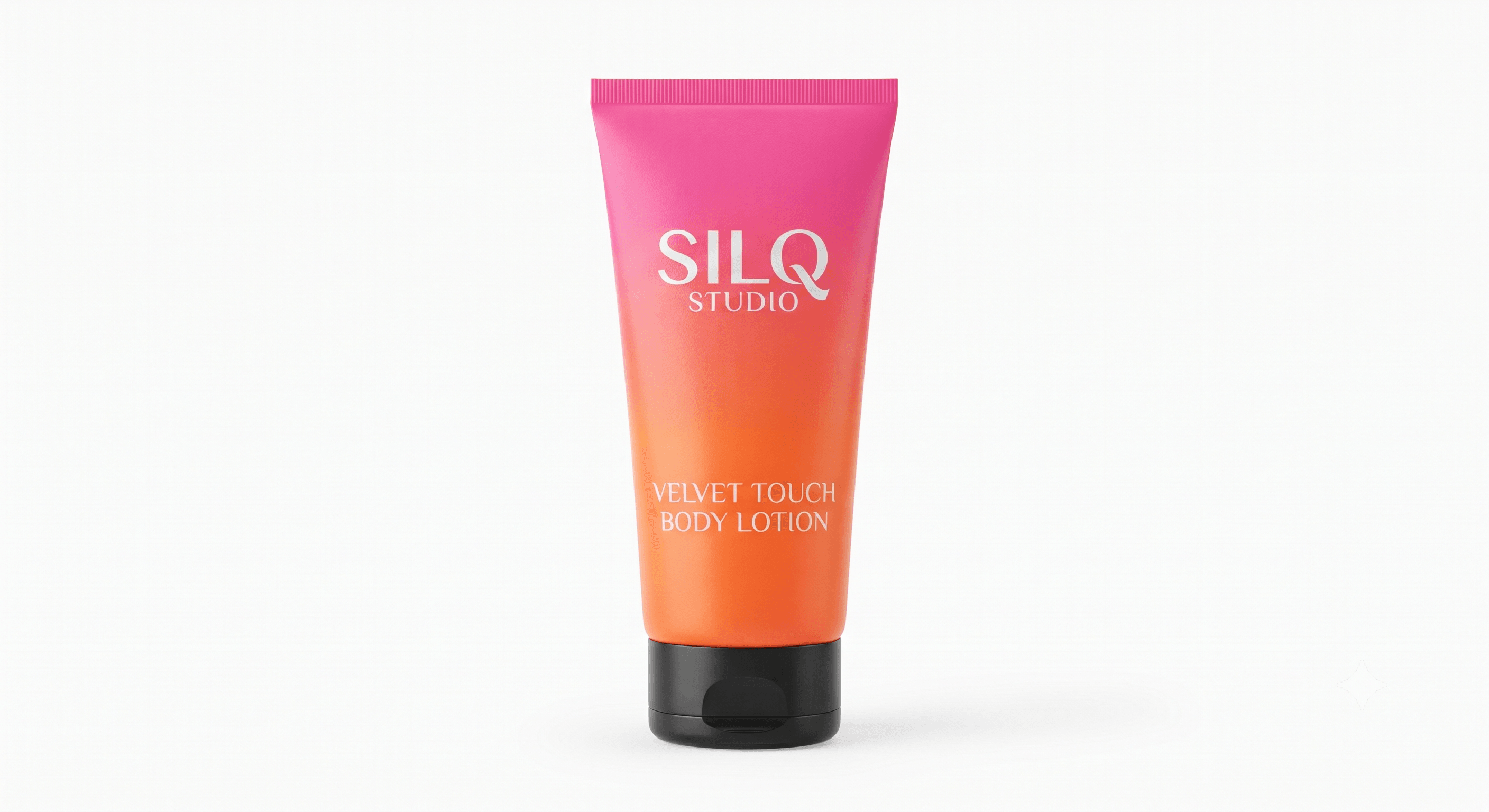
- Moisturise every day. Well-moisturised skin sheds evenly and looks smoother and brighter. Apply a body lotion such as Velvet Touch Body Lotion straight after your shower. A moisturiser won't remove a tan by itself, but it keeps skin in good condition while the tan fades.
- Use sunscreen on exposed skin every day. A broad-spectrum sunscreen of SPF 30 or higher on your arms, hands, neck and feet stops the tan from deepening. Reapply every two to three hours when you're outdoors.
- Cover up and seek shade, especially between late morning and mid-afternoon when the sun is strongest.
What should you avoid when removing a tan?
- Lemon juice on skin. It is acidic and can irritate skin — and citrus juice on skin followed by sun can cause a burn-like reaction.
- Bleaching creams on the body. Products made for facial hair bleaching are not meant for large areas of skin.
- Harsh scrubbing, baking soda or other DIY abrasives. They damage the skin barrier and can leave darker, uneven patches.
- Daily exfoliation. More is not better; once or twice a week is enough.
How do you remove tan from hands and arms?
Hands, wrists and forearms are the most prone to stubborn tanning because they receive continuous UV exposure while driving, commuting or walking outdoors.
To help detan hands and arms safely:
- Never scrub aggressively: The skin on the back of the hands is delicate. Abrasive scrubbing or harsh bleaches disrupt the moisture barrier and can trigger post-inflammatory hyperpigmentation.
- Exfoliate gently twice a week: Use a mild body scrub or soft exfoliating glove over wrists, knuckles and forearms to slough off dead, tanned surface cells.
- Hydrate right after washing: Frequent handwashing strips moisture and leaves tanned skin looking dull. Smooth on Velvet Touch Body Lotion right after showering and washing your hands to keep skin supple.
- Reapply sunscreen to hands: Always apply broad-spectrum sunscreen to the backs of your hands in the morning and reapply before heading outdoors.
Are sun tan removal creams or bleaching ointments safe?
Many over-the-counter sun tan removal creams and chemical ointments rely on aggressive bleaching agents or harsh chemical exfoliants that artificially strip the outermost layer of skin. On Indian skin tones, aggressive bleaches disrupt the moisture barrier and frequently trigger rebound tanning or post-inflammatory hyperpigmentation.
Safe body tan removal relies on supporting your skin's natural 28-day cellular turnover cycle: mild twice-weekly exfoliation, daily barrier hydration with a nourishing body lotion, and consistent broad-spectrum sun protection.
How do you prevent a new tan?
Prevention is far easier than removal. Make sunscreen on exposed areas part of your daily body care routine, wear light, long-sleeved clothing when you're out for long, and carry an umbrella or cap for the midday sun. Remember sunscreen on the hands and feet — they tan quickly and are easy to forget.
Is it a tan, or pigmentation?
A tan has clear edges that match where the sun reached your skin, and it fades over weeks once you protect it. If you have dark patches that don't fade, patches with irregular shapes, or a mole that changes in size, shape or colour, see a dermatologist rather than trying to treat it at home.
Explore the SILQ Studio body care range for everyday essentials.