Body Care guide
Why Skin Gets Dry in Winter (and How to Care for It at Home)
Why does skin become dry in winter? Understand the causes, gentle home care, cold cream and why sunscreen still matters in winter.
Skin often becomes dry in winter because cooler air carries less moisture and water evaporates from the skin more easily. Hot showers, room heaters and friction from woollen clothing can further disturb the skin barrier, causing tightness, flakes or itching.
How can you care for dry skin in winter at home?
- Keep showers short and use lukewarm rather than very hot water.
- Apply moisturizer within a few minutes of bathing.
- Layer a richer cream over lotion on very dry areas at night.
- Reduce direct exposure to heaters and consider adding humidity to the room.
- Choose soft fabrics beneath rough woollen clothing.
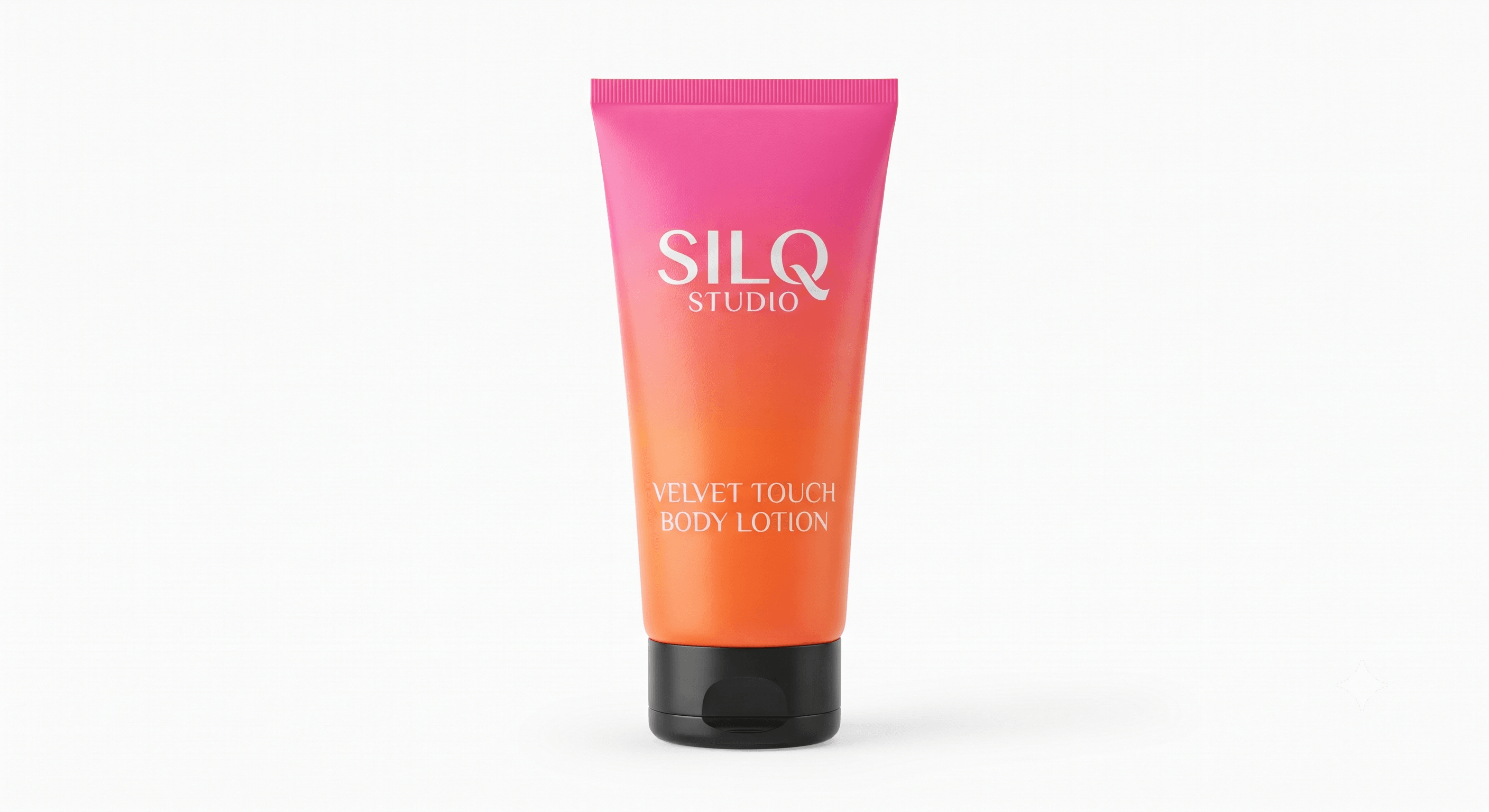
Velvet Touch Body Lotion can be used as the daily moisturising step in a winter body-care routine.
Which home-care ingredients can support dry skin?
Simple emollient oils can reduce moisture loss when used appropriately. Colloidal oatmeal is commonly used in products intended to soothe dry-feeling skin, while aloe-vera gel offers a lighter texture. Patch test unfamiliar ingredients and avoid harsh scrubs on cracked or irritated skin.
Is cold cream suitable for winter?
Cold cream is typically a rich, protective formula. It may feel comfortable on very dry hands, feet or cheeks, but can be too heavy for some acne-prone facial skin. Select a product designed for the body area where it will be used.
Do you need sunscreen in winter?
UV exposure continues during winter. Apply an appropriate sunscreen to exposed skin as directed, particularly when spending time outdoors. Moisturizer supports hydration, while sunscreen performs a different protective role.
Can skin be dry in summer too?
Yes. Air conditioning, frequent washing and a damaged skin barrier can produce dryness throughout the year. In warm weather, a lighter lotion may be more comfortable than a heavy cream.
When should you seek medical advice?
Consult a qualified clinician when dryness is painful, persistent, widespread or accompanied by cracking, bleeding, swelling or a severe rash.
Explore more body-care guidance.